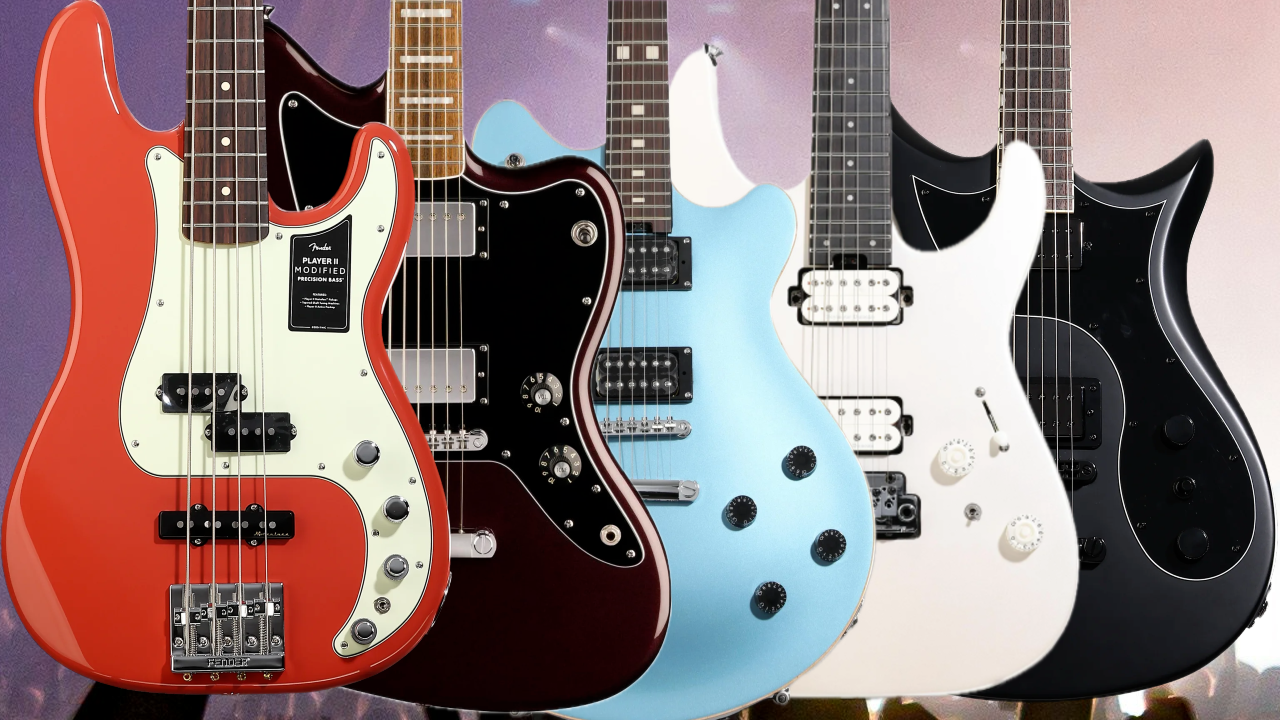
Fender appears to be escalating its efforts to protect the Stratocaster body shape via a series of cease-and-desist letters.
According to documents shared publicly by YouTubers Phillip McKnight and Tone Nerd (as pointed out by Guitar World), Fender — through international law firm Bird & Bird — has allegedly sent cease-and-desist letters to multiple U.S.-based guitar companies demanding they stop manufacturing and selling Strat-style instruments.
The first company to publicly confirm receiving one of those letters is LsL Instruments, a small family-run builder known for vintage-inspired S-style guitars. According to the company, Fender’s legal action stems from a recent German court ruling that recognized the Stratocaster body shape as a protected “work of applied art” under German and European law.
That ruling came after Fender won a case in the Regional Court of Dusseldorf against a Chinese manufacturer accused of producing Strat-style guitars for sale through AliExpress into the European market. Fender described the outcome as a major legal precedent that strengthens its ability to protect the Stratocaster design internationally.
For decades, Strat-style guitars have been one of the most common instrument formats in the world. Companies ranging from boutique builders to massive manufacturers have produced their own interpretations of the double-cutaway design, often with Fender historically focusing its trademark protection efforts more heavily on headstock shapes rather than body contours.
In fact, Fender previously failed in a lengthy attempt to trademark the Stratocaster, Telecaster, and Precision Bass body shapes in the United States back in 2009. At the time, courts ruled the designs had become too widely used throughout the industry to function as protected trademarks. One court famously described the Strat shape as so common that it had effectively become a generic representation of an electric guitar.
According to Fender, the court determined the Stratocaster body qualifies as original artistic expression. Under that interpretation, companies manufacturing or selling guitars using the shape into Germany or elsewhere in the European Union could potentially face liability.
The cease-and-desist letters reportedly demand that builders halt production and marketing of allegedly infringing models. According to McKnight, some versions of the letters also call for companies to recall guitars sold into the EU and destroy remaining inventory.
LsL Instruments has since launched a fundraising campaign claiming the legal costs required to defend itself against Fender could threaten the company’s survival. In its statement, LsL argues that Leo Fender himself never secured copyright protection over the Stratocaster body design and says the broader implications of the ruling could affect countless independent builders and musicians.
Meanwhile, Fender maintains that its actions are not intended to eliminate competition, but rather to target what it considers clear infringement.
Still, the uncertainty surrounding how aggressively Fender may enforce the ruling has created anxiety across the guitar industry. The situation also raises larger questions about the modern guitar market itself. The Stratocaster shape has become so deeply embedded in electric guitar culture that countless players no longer associate the design exclusively with Fender.
Entire categories of modern instruments, including hot-rodded superstrats and boutique custom builds, evolved directly from that silhouette over decades of open market competition. Whether courts ultimately view those instruments as derivative infringement or legitimate evolution remains unclear.
Fender has not yet commented on the situation.