The Studio Reference You Can Actually Fit in Your Ears
I spend my time bouncing between three very different jobs: playing keys and singing backing vocals on stage, running front of house on tour, and mixing and mastering records, including on the road. Every one of those jobs lives or dies by what I’m hearing, and I can’t exactly pack my studio monitors in a carry-on.
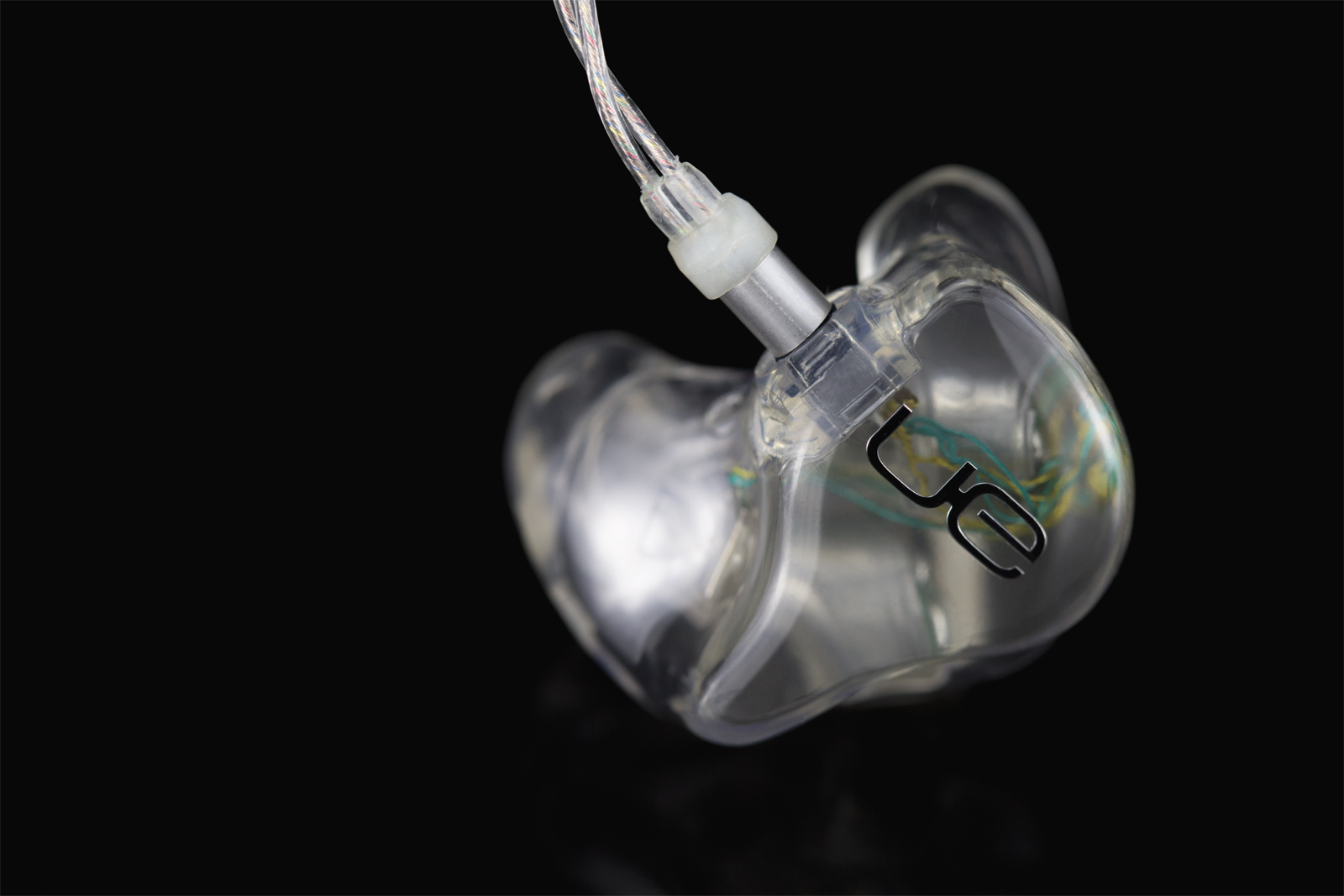
Ultimate Ears provided me with a pair of their Reference Remastered custom in-ear monitors for review a few months ago, and in that time, they’ve become the most comfortable custom IEMs I’ve ever used, and my go-to pair for mixing, mastering, and front of house. But they’re not the right tool for every job I throw at them, and that’s exactly what makes them worth talking about.
For those of you who aren’t familiar, Ultimate Ears Pro has been building custom-fit in-ear monitors since 1995, and the Reference Remastered is the model they built specifically for people who mix and master. Let’s dive right in, shall we?
Why a Reference IEM Isn’t Just Another In-Ear
Most in-ears are tuned to make you feel good: extra low end, extra sizzle, extra output. That’s not a knock, it’s the job. The Reference Remastered goes the other way. UE calls it “a new point of reference” and says its True Tone drivers deliver a flat response to 18 kHz, so you can hear “the harmonic structure and overtones that are usually missing from most headphones.” There’s real pedigree behind that. The original UE Reference Monitor launched in 2010 as a collaboration with the engineers at Capitol Studios in Hollywood, and the Reference Remastered, announced in November 2015, was the second round of that partnership. Same goal both times: hear the mix the way it actually is. Not hyped. Not flattering. Honest.
What’s Inside
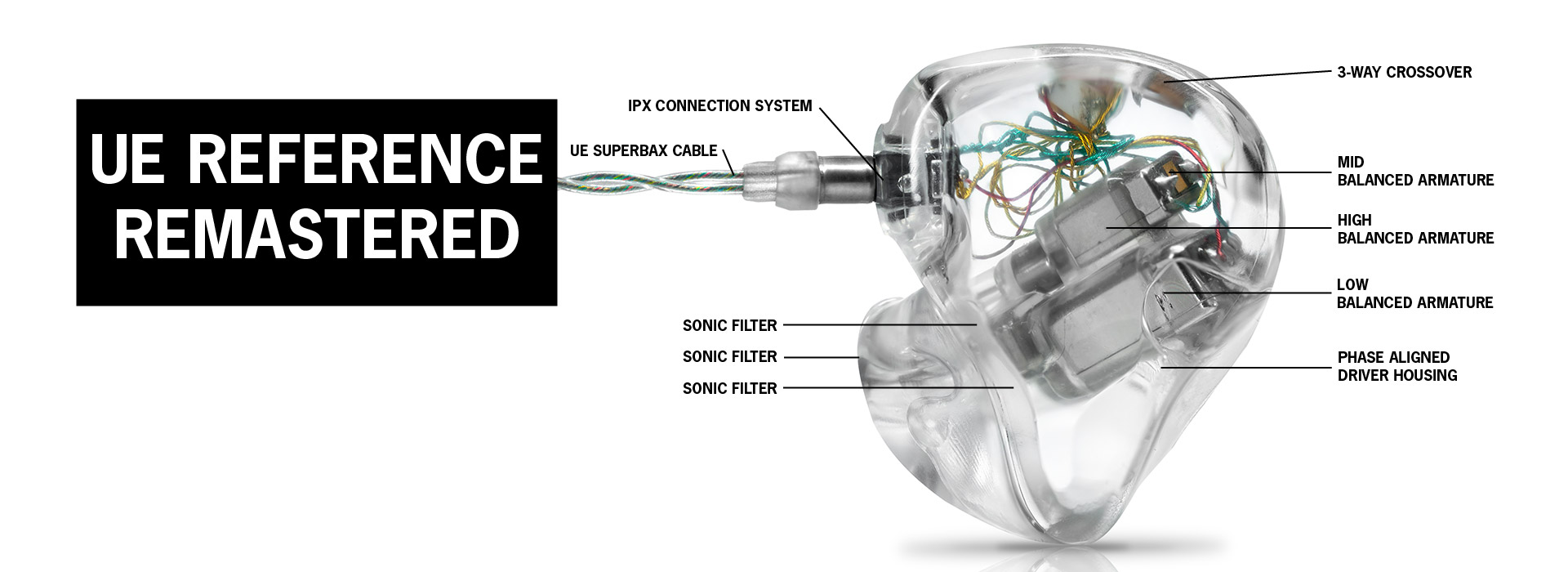
According to Ultimate Ears, here’s what you get with the Reference Remastered:
- Drivers: Three proprietary balanced armatures with multiple passive crossover points and triple-bore sound channels.
- Frequency Response: 5 Hz to 25 kHz.
- Sensitivity: 100 dB @ 1 kHz, 1 mW.
- Impedance: 35 Ω @ 1 kHz.
- Isolation: -26 dB of ambient stage noise.
- Input Connector: 1/8″ headphone jack, compatible with all the usual IEM systems.
- In the Box: A case, cleaning tool, 1/4″ adapter, and UE’s Buffer Jack, a little inline adapter that UE says lowers the signal from airplane entertainment systems and buffers impedance mismatches.

Getting Them Made: Scans, Impressions, and the Fit
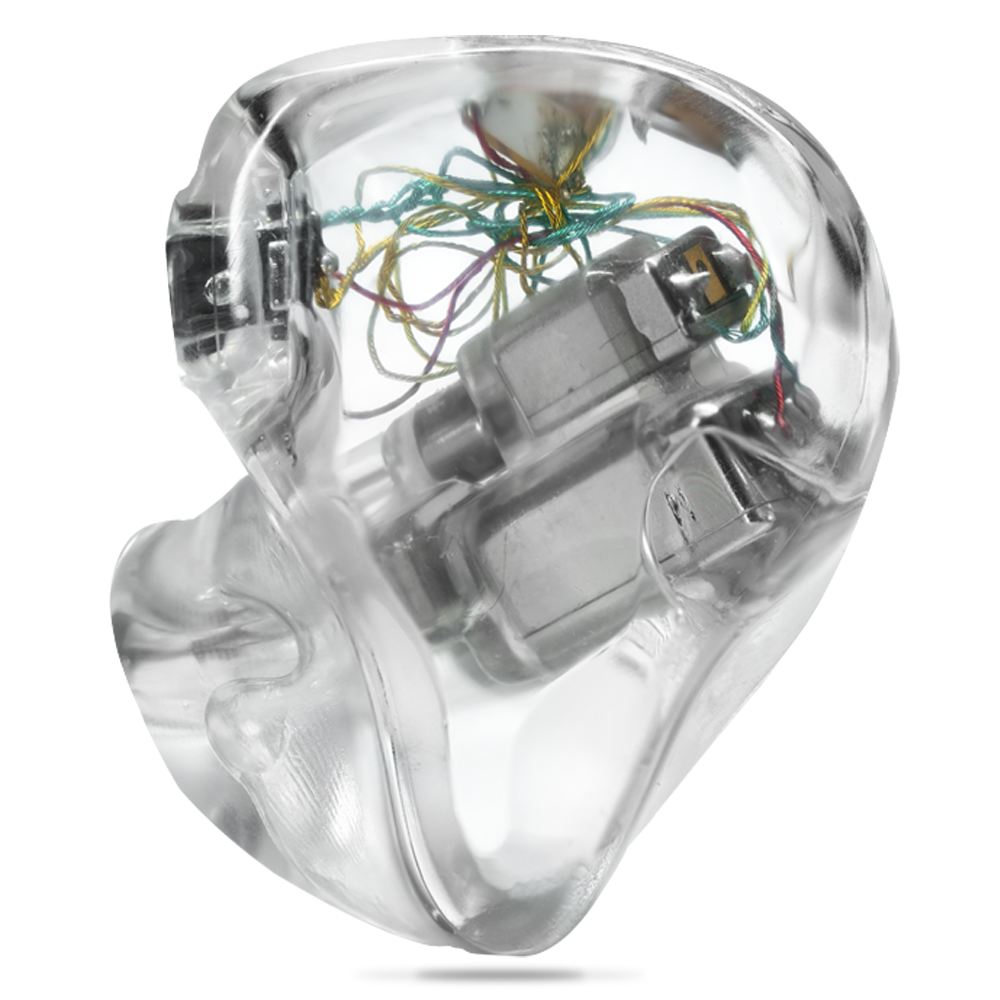
These are customs, so they’re built around your ears. My own path was a little different from the standard one. My earlier ear scan was a few years old, so UE rescanned me digitally, and when the pair was done I picked it up in person at UE’s headquarters in Irvine, California, where I also got a tour of the place.
If you’re ordering on your own, the process is simple. You pick your model and design, take UE’s audiologist instructions to a qualified audiologist for ear impressions, and ship the impressions and your order confirmation to UE’s lab in Irvine. UE’s site also has a dealer locator and says you can compare models at a listening station near you.
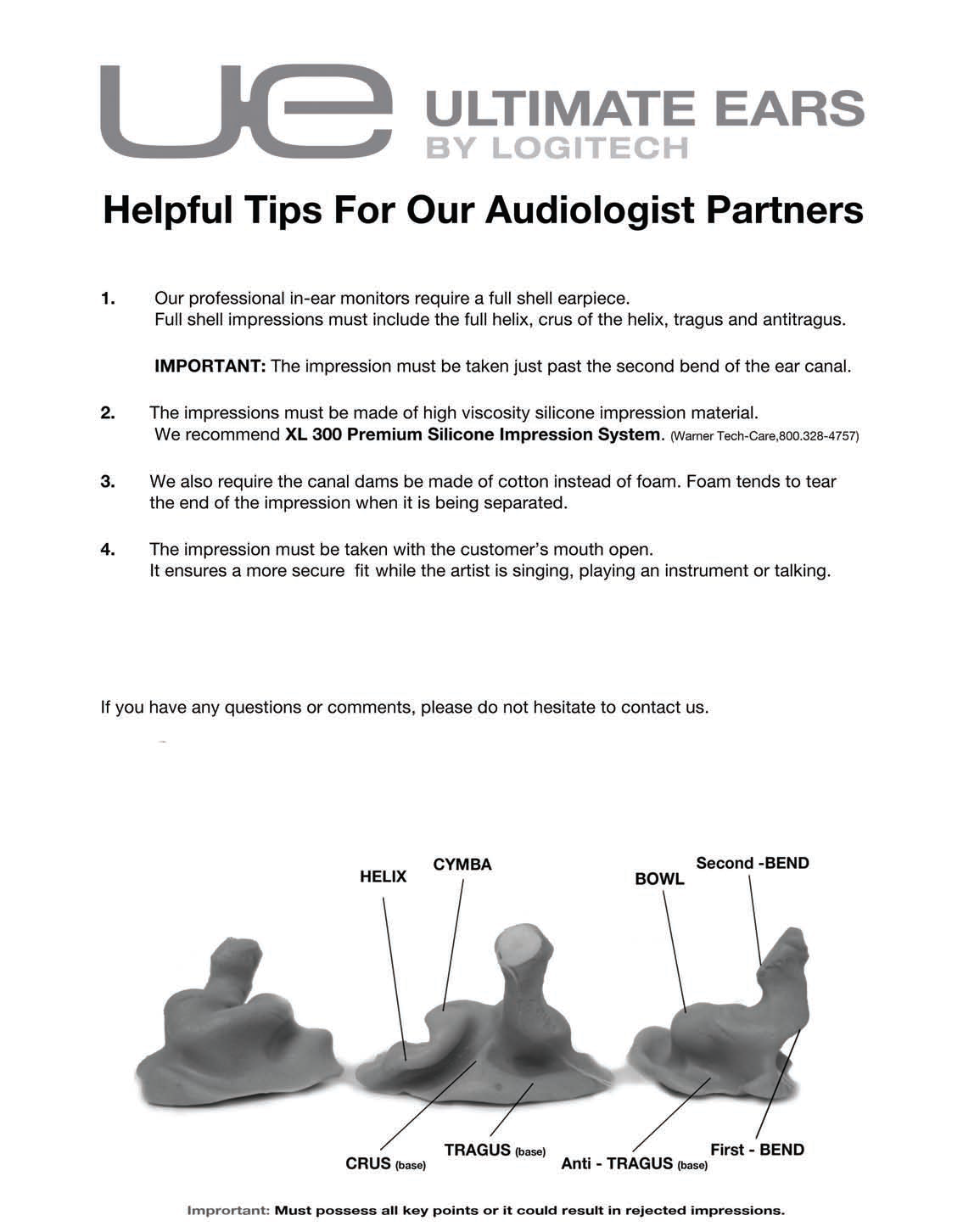
UE went digital earlier than most. Trey toured their 3D-printing lab back in 2014, and he got his ears 3D-scanned for his UE 18+ review if you want to see what that process looks like.
And the fit is where the Reference Remastered really earns its keep for me. My right earpiece wasn’t quite right at first, with a little pressure and a seal that wasn’t as tight as the left, but a fit adjustment from UE sorted it out. Since then, these are the most comfortable custom IEMs I’ve used, and that matters more than people think. When you’re wearing IEMs through long mix sessions or for a full tour, comfort isn’t a luxury. It’s the difference between gear you actually use and gear that ends up in the case.
Once they’re in, UE rates the isolation at -26 dB. That matters for two reasons: it keeps stage volume out of your ears, and it lets you monitor at a lower level, which is a big deal when you’re trying to make mix decisions. UE pairs them with its SuperBax cable and the IPX connection system it rolled out across its custom line in April 2018. UE describes it as a sweat-proof and tour-proof cable system with IP67 certification.
My pair uses the IPX connector, and I love it. Honestly, I wish every other IEM used it.

So How Does It Sound?
Neutral. That’s the short answer, and it’s exactly what UE promised. This is a true reference IEM: no smiley-face EQ curve, no hyped top end, no extra boom. What’s in the mix is what you hear.
That’s what makes them so good for mixing and mastering. A reference only works if you can trust it, and when I’m making mix and mastering decisions on these, I trust what I’m hearing.
It’s the same story at front of house. When I’m mixing a band live, I want to hear the mix as it really is, not a flattering version of it, and that’s exactly what these give me.
The flip side is that neutral isn’t always what you want. The same tuning that makes them a great reference makes them tough to perform in, especially with a loud band. More on that below.
Real-World Moves: The Mix Room, FoH, and the Stage
Here’s how they’ve actually held up across the three jobs I use them for:
- Mixing and Mastering on the Road: This is where the Reference Remastered shines. Neutral is exactly what I want when I’m making decisions away from my own room.
- Front of House: Running FoH on tour, they’re great. When you’re checking what’s really going on in a mix, an honest reference is the whole point.
- On Stage: Here’s where it changes. Playing keys and singing backing vocals in a loud band, the neutral tuning gets fatiguing, and there’s nowhere near enough low end to play to. More on that below.
A Few General Tips for Mixing Heavy Music on Reference IEMs
This is general advice, not gospel:
- Check your low end on monitors or subs before you commit. IEMs, especially conservatively tuned ones, won’t tell you the whole story in the sub region, where kick, sub-tuned bass, and palm-muted guitars are all fighting for space.
- Keep your listening level sane. Good isolation means you don’t have to fight the room, so there’s no reason to crank it.
- Calibrate with reference tracks. Listen to a few records you know inside and out on the same IEMs before you start making decisions.
- Mind your source. Multi-driver IEMs can be sensitive to what you plug them into, so a weak or high-output-impedance headphone out can change what you hear. A decent headphone amp or belt pack is the safer bet when you’re making decisions.
The Quirks You Should Know About the Reference Remastered
- Fatiguing at Stage Volume: With a loud band, the neutral tuning gets fatiguing. The same honesty that makes it great for mixing works against it here.
- Not Enough Low End to Play To: When you’re performing, you need something to lock into, and there’s nowhere near enough low end here for that. Great for judging a mix, not great for playing to one.
- Sensitivity: UE rates the Reference Remastered at 100 dB @ 1 mW, which is well below some of its stage models (124 dB for the UE 7 Pro and 119 dB for the UE 5 Pro and UE 11 Pro, for example). If your belt pack or headphone out runs on the quiet side, keep that in mind.
- Customs Are a Commitment: They’re built for your ears only and require a scan or impressions up front, and a fit hiccup like mine means a trip back to UE for an adjustment.
Where It Sits in UE’s Lineup
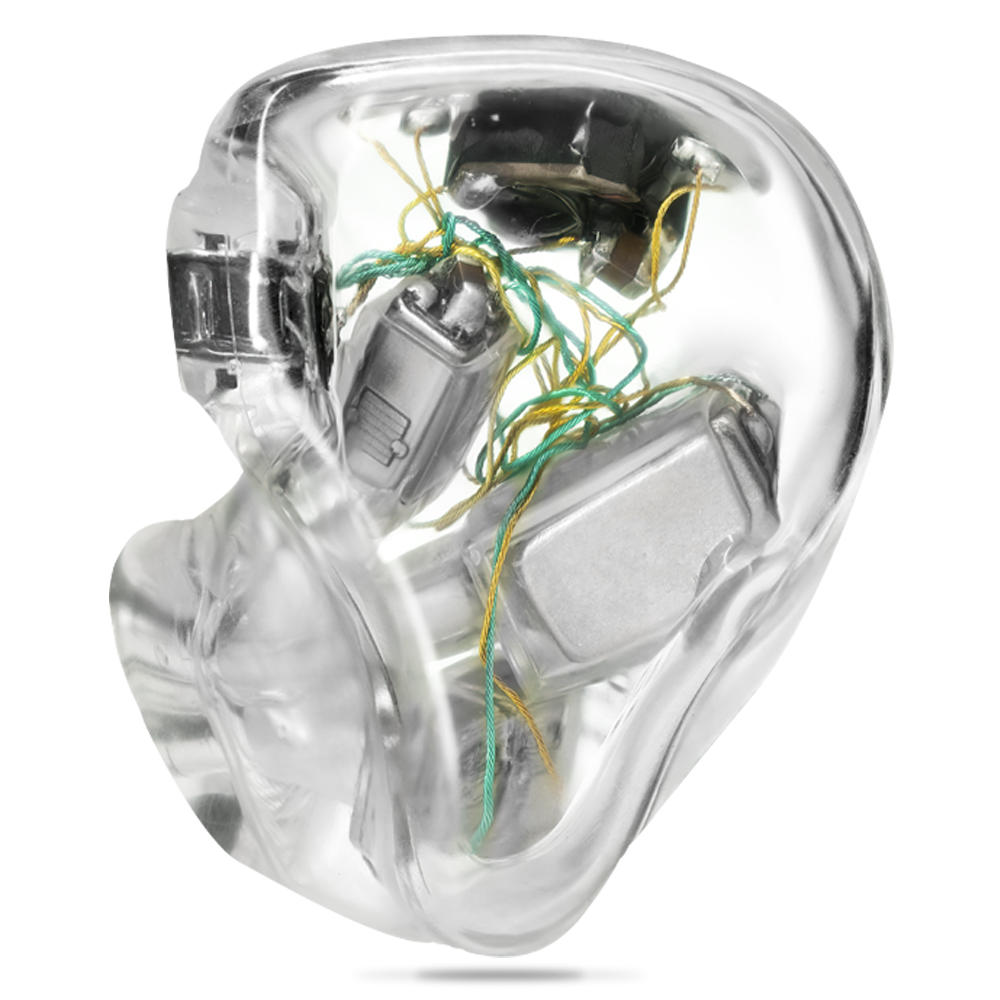
UE builds its custom lineup around who you are and what you play more than driver counts. Here’s the current custom range, according to UE’s site:
- UE 5 Pro ($499): The classic dual-driver custom, pitched “for weekend performances.”
- UE 6 Pro ($699): A hybrid with two dynamic drivers and one balanced armature, “for rhythm & beats.”
- UE 7 Pro ($899): Three balanced armatures with extra midrange detail, “for singers & guitarists.”
- UE Reference Remastered ($999): The studio reference, developed with Capitol Studios.
- UE 11 Pro ($1,199): Four balanced armatures, two of them dedicated to the low end, “for bass players, drummers & DJs.”
- UE 18+ Pro ($1,499): Six balanced armatures, the top of UE’s line until the UE LIVE arrived.
- UE LIVE ($2,199): UE’s flagship and most expensive model, launched in April 2018, a hybrid with six balanced armatures, a True Tone Plus driver, and a 6 mm dynamic driver, “for festivals, arenas & stadiums,” which UE calls “the fullest, richest, and most powerful in-ear monitor we’ve ever made.”

In other words, UE itself doesn’t pitch the Reference Remastered as a stage monitor. It sells it as a studio reference monitor tuned for hi-res audio, and files the models above it under “For Stage.” That lines up with my experience.
Pricing, Customization, and Warranty
- Price: $999 direct from Ultimate Ears, the same price it launched at in 2015.
- Customization: A long list of translucent and opaque shell colors is included. Wood and special-material faceplates (carbon fiber, mother of pearl, brushed titanium, polished mirror, exotic woods, and patterns) add $100 on UE’s customizer. UE’s marketing shows the Reference Remastered with a white Capitol Studios faceplate, but mine is opaque black with just the UE logo.
- Cable: UE SuperBax cable with the IPX connection system.
- Warranty: One year.
For a dedicated mixing reference you can carry in your pocket, that’s $500 less than the UE 18+ Pro and less than half the price of UE LIVE.
Verdict: A Mix Reference First, a Stage Monitor Second
The UE Reference Remastered is the most comfortable custom IEM I’ve used, and for mixing, mastering, and front of house, it’s become my go-to pair. That comfort is a big deal when you’re wearing them through long mix sessions and full tours. It’s neutral, it’s honest, it goes wherever I go, and the IPX connector is the kind of detail I wish every IEM maker would steal.
The catch is the stage. With a loud band, that neutral tuning gets fatiguing, and there’s nowhere near enough low end to play to.
If you mix, master, or run front of house and want a reference that travels, this is an easy recommendation. If you’re mainly shopping for something to perform in, especially in a loud metal band, look at UE’s more live-oriented models instead.
Speaking of which, I’m planning to try one of those live-focused models, like the UE 18+ Pro or the UE LIVE, to find out whether my stage gripes come down to this model or to UE’s sound in general. Stay tuned.
One last thing worth knowing before you pull the trigger. UE tells its customers that every few years or so you’ll need to go in for a refit, because your ears change over time. That’s just part of owning customs, and it’s something I’ll be doing down the road. When I do, I’ll put together a follow-up review on the whole experience: what the refit is like, how it works, how long it takes, and, most importantly, how big of a difference it actually makes. Stay tuned, Gear Mortals.