The Custom IEM That Out-Sealed My Go-To Pair
Between playing keys and singing backing vocals on stage, running front of house on tour, and mixing and mastering on the road, my in-ear monitors get a serious workout. If you read my Ultimate Ears Reference Remastered review, you know the UEs are the most comfortable custom IEMs I’ve used, and they’ve been my go-to pair for mixing, mastering, and front of house for over a year now.
So here’s the plot twist. My first pair of Stealth Sonics C9 customs didn’t seal properly, so I sent them back. The remade pair, which I’ve had for a few months now, sealed great, and I actually like their fit even more than my UEs. Not because they’re more comfortable (the UEs still win there), but because the fit is tighter, more sealed, and blocks out more of the outside world. And overall? They sound better too. Everything in this review is based on that remade pair.
But there’s a catch to that “better,” and I’ll be upfront about it. Let’s dive right in, shall we?
Who Is Stealth Sonics?
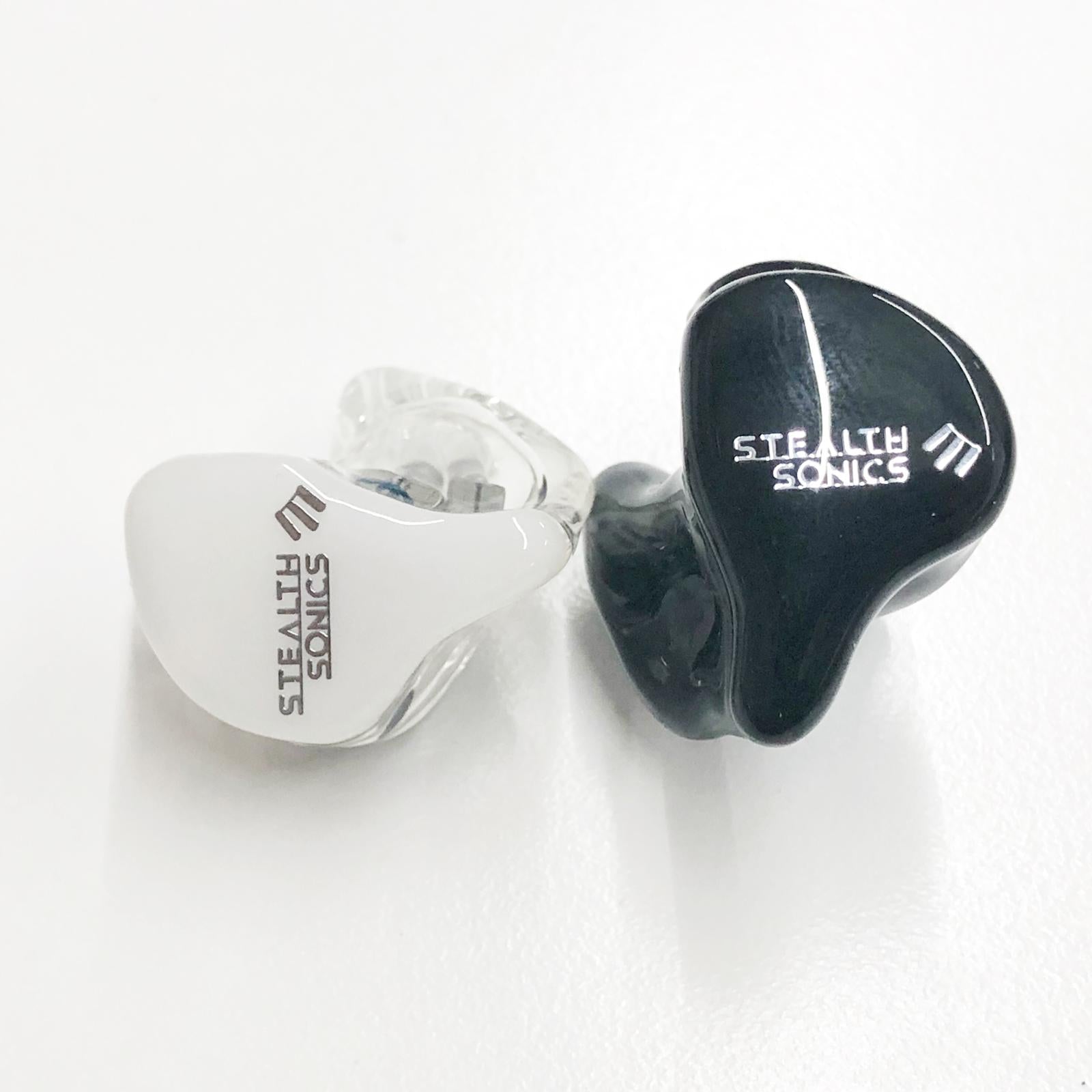
For those of you unfamiliar, Stealth Sonics is a Singapore-based company that describes itself as “a group of audiologists, engineers, musicians and gamers,” and it says all of its in-ear monitors are designed and assembled in Singapore. That audiology background shows up all over its pitch, from the way it takes impressions to the hearing-protection features it builds into the shells.
The company went global at Winter NAMM 2018, launching its universal and custom lineup side by side. The C9 is the top of its custom range. Stealth says its team has spent about 10 years serving the audiology needs of musicians and audio professionals in Southeast Asia, with headquarters in Singapore and sales and marketing people based in the US, Canada, and Europe.
What’s Inside the C9
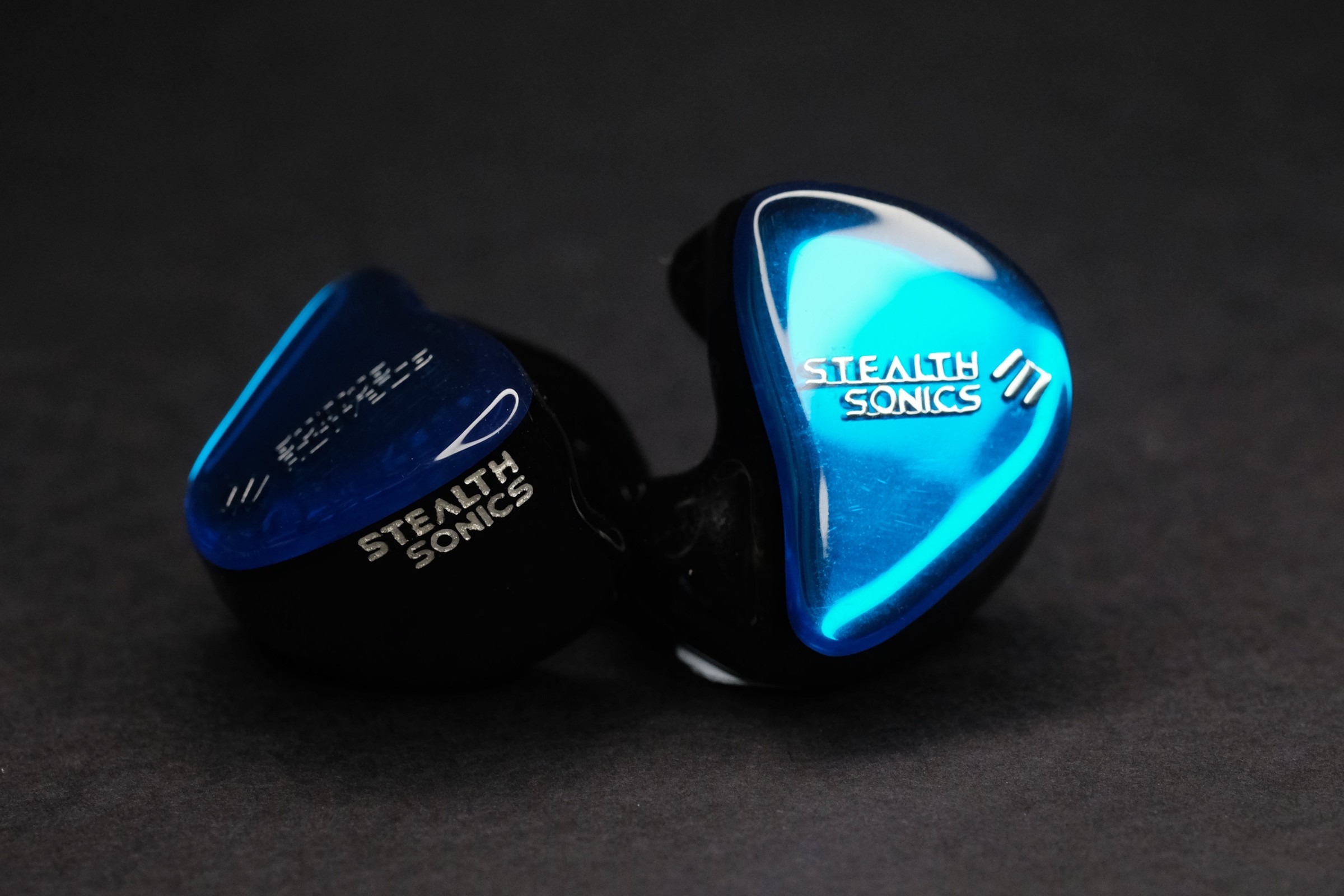
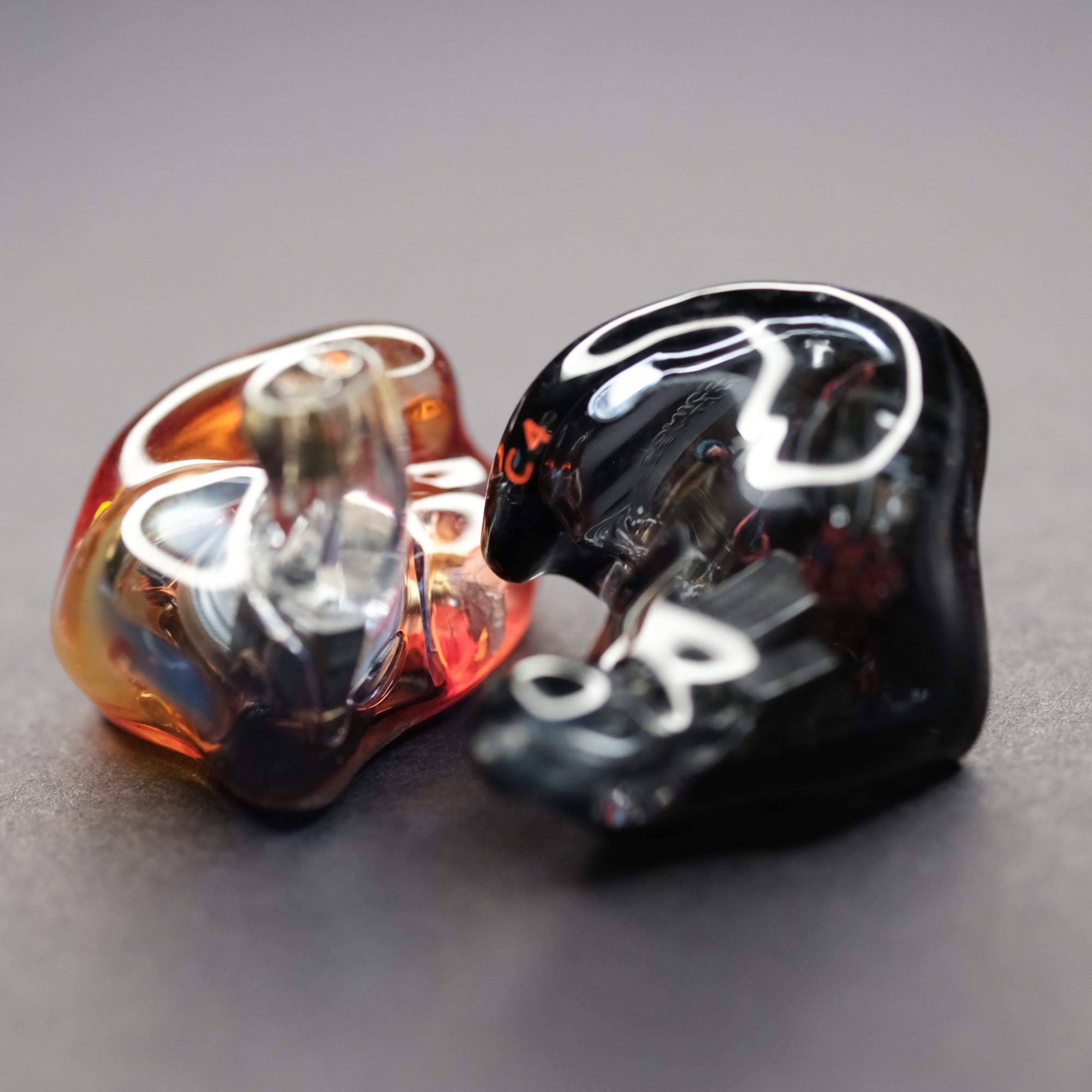
My pair is the C9, a nine-driver hybrid. If you look through the shell, you can see the round dynamic driver sitting in there with the balanced armatures. According to Stealth Sonics and its published spec sheets, here’s what’s inside:
- Drivers: Nine in total: one 9 mm dynamic neodymium driver, two balanced armatures for the mids, two for the highs, and four for the super-highs.
- Crossover and Bores: Four-way crossover, three asymmetrical bores.
- Frequency Response: 18 Hz to 40 kHz.
- Impedance: 16 Ω @ 1 kHz.
- Sensitivity: 108 dB @ 1 mW.
- Isolation: Up to -36 dB for the custom version, which Stealth credits to “an absolute seal.”
The C9 is Stealth’s flagship custom. The rest of its 2019 custom range is the two-driver hybrid C2 (US$499) and the four-driver balanced-armature C4 (US$799), and it sells matching universal models too.
Getting Them Made: Second-Bend Impressions
Stealth’s whole approach to customs is built around the seal. Impressions are taken by Stealth’s audiology partners, and Stealth says its customs use “second-bend impressions to conform precisely to the inner ear canal.” In plain English, the mold goes deeper into your ear canal, past the second bend, so the finished shell can seal further in.
Stealth backs that with a 30-day refit policy if the fit isn’t right, though you cover the shipping to its service center. That’s the kind of problem it exists for, and it’s what happened with my first pair: it didn’t seal properly, so I sent it back. The remade pair is the one I’m reviewing.
Seal and Isolation: Where the C9 Wins
This is the C9’s biggest strength for me. Once I had the remade pair, it gave me a better seal than my UEs, and it’s been consistent since. The fit is tighter and more sealed, and it blocks out more sound from outside. So the trade-off between my two pairs is pretty clear: the UEs win on comfort, and the C9 wins on seal.
On paper, the makers’ numbers point the same way. Stealth claims up to -36 dB of isolation for its customs, while Ultimate Ears rates the Reference Remastered at -26 dB. Those are each company’s own claims, and there’s no guarantee they test the same way, so I wouldn’t treat that 10 dB gap as gospel. But it lines up with what my ears tell me.
Stealth also builds what it calls the Klarity Valve into its IEMs, a pressure-relief valve that it says lets pressure escape to ease discomfort and reduce ear fatigue.
So How Does It Sound?
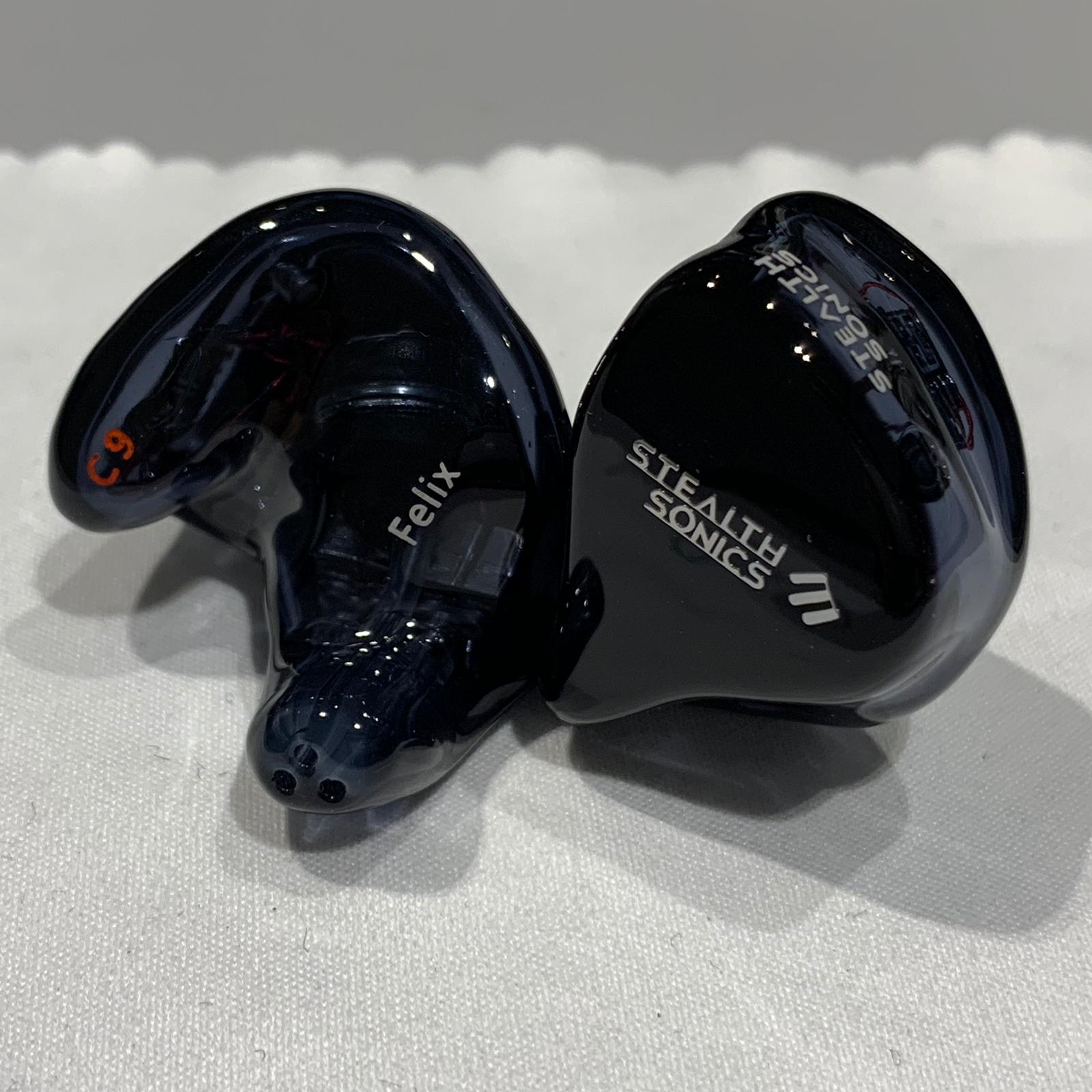
Overall, the C9 sounds better than my UE Reference Remastered. That goes for mixing and mastering, and even more so for playing live with a band.
Now, here’s the honest part. I think part of why they sound better might simply be the better seal. That’s not a knock on the C9. The seal is a huge part of what you’re paying for with a custom IEM, and Stealth’s whole pitch is built around it. But it means I can’t say how much of the difference is the drivers and tuning, and how much is just the fit.
Why the Seal Matters So Much (General Explanation)
This isn’t specific to Stealth. It’s how in-ear monitors work in general:
- Low end needs a sealed space. An IEM driver is pushing air into the tiny, closed space between the shell and your eardrum. With a good seal, that space holds pressure and the bass comes through. With even a small leak, low frequencies escape and the low end thins out fast.
- Less outside noise means less masking. Stage noise and room noise cover up detail, especially in the low end and low mids. The more you block out, the more of the actual mix you hear.
- You can listen quieter. Better isolation means you don’t have to turn up to compete with the room, which is easier on your ears and makes it easier to hear what’s really going on.
So when one custom seals better than another, it can sound fuller and more detailed even before you get into drivers and tuning.
Where It Beats My UE Reference Remastered
I’ve lived with both, so here’s how the C9 stacks up against my UEs:
The Fit and Seal
I like the C9’s fit even more than the UEs. It’s tighter, more sealed, and blocks out more outside sound. The remade pair has consistently given me a better seal than my UEs.
Playing Live with a Band
This is where the gap is biggest. The C9 sounds better than my UEs for playing live with a band, by more than it does in the studio. That matters to me, because the stage is exactly where the UE Reference Remastered falls short for me.
Mixing and Mastering
The C9 sounds better here too. The UEs are still a great reference, but overall the C9 comes out ahead.
Where the UE Still Wins: Comfort
This isn’t a clean sweep. My UE Reference Remastered is still the most comfortable custom IEM I’ve used. The C9’s tighter, more sealed fit is exactly what I like about it, but if comfort is your top priority, the UEs come out ahead.
On Paper
- Drivers: C9: nine-driver hybrid (1 dynamic + 8 balanced armatures). UE Reference Remastered: three balanced armatures.
- Isolation (maker claims): C9: up to -36 dB. UE: -26 dB.
- Sensitivity and Impedance: C9: 108 dB @ 1 mW, 16 Ω. UE: 100 dB @ 1 mW, 35 Ω.
Real-World Tips: Getting the Most Out of a Tight Seal
This is general advice, not gospel, and it applies to any custom IEM:
- Ask for a deep, tight fit. If isolation matters to you, tell your audiologist up front. The impression is the foundation of everything else.
- Use your refit window. If something feels loose, uncomfortable, or the low end comes and goes, get it looked at while you’re still covered. Stealth’s refit policy is 30 days.
- Do a quick seal check. If the low end disappears when you move your jaw or sing, you’re probably losing the seal. Reseat them before you start blaming the mix.
- Turn it down. With good isolation, you don’t have to fight stage volume, so take advantage of it and save your ears.
- Still check your low end on monitors or subs. No matter how good the seal is, IEMs won’t tell you the whole story in the sub region of a heavy mix.
The Quirks You Should Know About Stealth Sonics
One of these comes from my own experience, and the rest are things to know before you order:
- No Spec Table on the Product Page: Stealth’s C9 page lists the price, but I couldn’t find a spec table on it. For frequency response, impedance, and sensitivity you’ll need Stealth’s spec sheets or a dealer’s listing.
- Shorter Coverage on Cables: The IEMs get a one-year limited warranty, but the included cables are only covered for six months.
- Refits on Your Dime: The 30-day refit policy is great, but you pay to ship them to the service center.
- A Seal Isn’t Guaranteed on the First Try: My first pair didn’t seal properly and had to go back. The remade pair fixed it, but it cost me time, so check the seal as soon as they arrive.
Pricing, Ordering, and Warranty
- Price: US$1,499 for the C9, according to Stealth’s site and its 2019 media kit. The C2 is US$499 and the C4 is US$799.
- Ordering: Direct from Stealth through its online “Create Your Own Earpiece” page, where you pick the C2, C4, or C9, then choose faceplate and shell options, artwork, shell initials, and a name for the casing, and upload your ear impressions. You can also reach Stealth at [email protected].
- Customization: Faceplates, shells, custom artwork, and initials on each shell.
- Warranty: One-year limited warranty on the IEMs, six months on included cables, and a 30-day refit policy.
Verdict: A Tighter Seal and a Better Sound
The remade Stealth Sonics C9 gives me a tighter, more sealed fit than my UE Reference Remastered, and overall it sounds better, for mixing and mastering and even more so for playing live with a band. Part of that might just be the better seal, but then again, a great seal is a big part of what you’re paying for with a custom IEM. The UEs are still the more comfortable pair, so this one comes down to your priorities: comfort, or seal.
The fine print is on the fitting side. My first pair didn’t seal properly, so I’d check the seal the moment yours arrive and use the refit window if you need it. Once mine were remade, the seal was great.
If isolation is high on your list, especially on a loud stage, Stealth Sonics deserves a serious look.