Uncovering the Detail Hiding in Your Mixes
In the world of heavy music production, our tools need to be surgical. We spend hours sculpting high-gain tones, dialing in sub-bass impact, and wrestling with triple-digit track counts. When it comes to monitoring, traditional studio headphones often fall into two traps: they either offer hyped-up transients that give you a false sense of aggression, or they mask crucial low-mid issues with a blanket of comfortable “mud.”
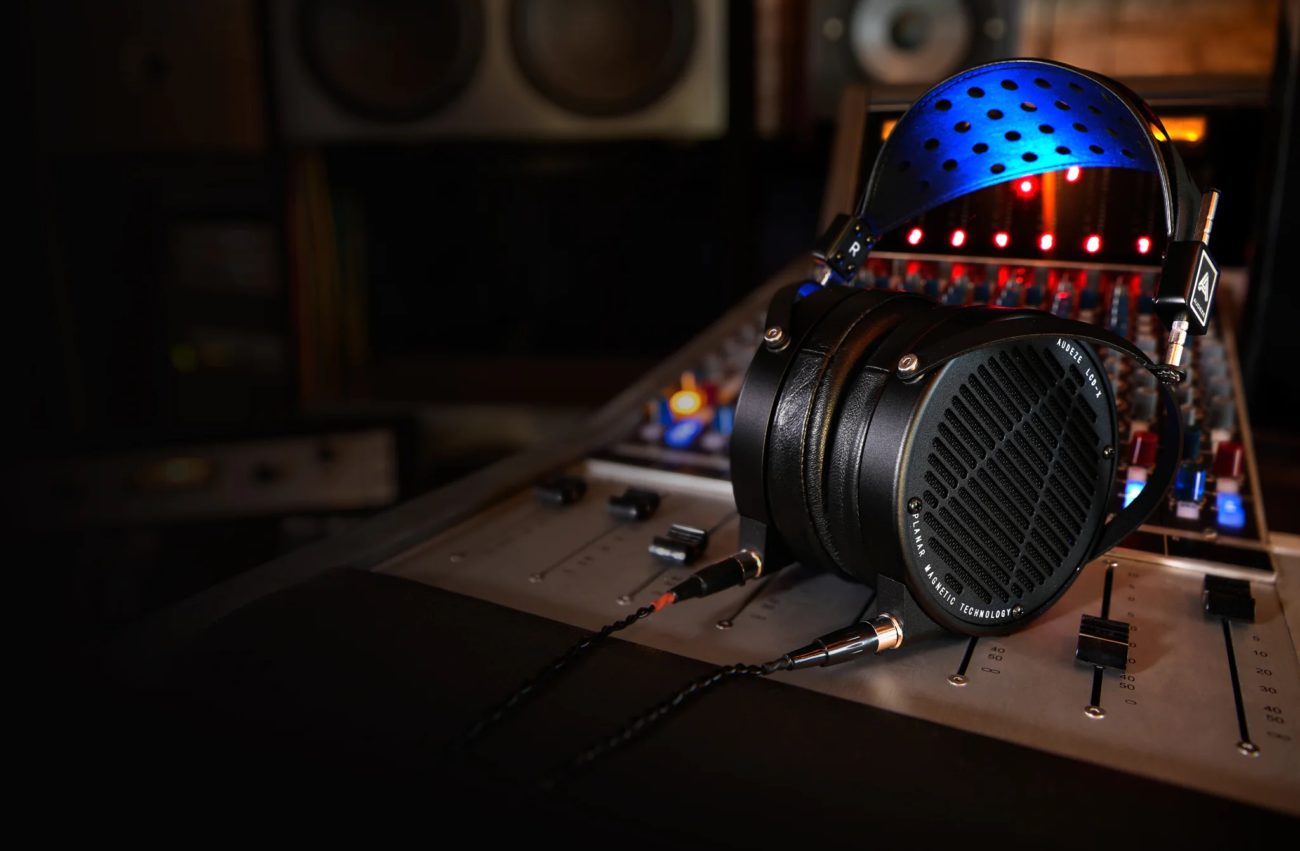
The Audeze LCD-X isn’t just another set of high-end cans; it’s a statement. Utilizing planar magnetic technology, it promises a level of speed, detail, and ruler-flat translation that dynamic drivers can’t touch. After putting these through a series of dense metal and rock mixes, the kind where a subtle phase issue can kill your entire drum sound. I can confidently say: these headphones are less of a monitoring tool and more of a truth serum for your mixes.
Why Planar Magnetic is the Metal Producer’s Secret Weapon
The core of the LCD-X is its planar magnetic driver. Unlike traditional dynamic drivers, which use a voice coil attached to a conical diaphragm, planar magnetic drivers use an extremely thin, flat membrane with etched traces that react uniformly to magnetic fields.
The result is a near-instantaneous transient response. In heavy production, this translates to:
- Snare Drum Punch: You hear the initial crack of the snare and the micro-detail of the ghost notes with surgical precision.
- Double-Kick Clarity: No more guessing where the attack of the kick drum ends and the sub-bass begins. The separation is immaculate.
- Guitar Clarity: Where dynamic drivers might smear the transients of a heavily distorted rhythm track, the LCD-X keeps the note definition clean, helping you dial out unwanted fizz and mud in complex chords.
The First Session: Hearing What I Hadn’t Been Mixing
The first track I threw at the LCD-X was a complex, black metal mix I worked on for Trey Xavier that was already “finished” on my studio monitors. Within minutes, I heard problems I hadn’t even realized existed: a subtle build-up around 200 Hz in the layered rhythm guitars, a phase issue between the bass DI and the amp sim, and a slightly overly compressed lead vocal that was losing its dynamic edge.
It was a humbling but necessary moment. The LCD-X doesn’t flatter; it reveals. The sheer amount of detail in the mid-range allowed me to address issues with EQ that I previously would have tried to fix with volume, which is a common mistake when dealing with dense tracks.
Due to their analytical nature and high level of detail retrieval, the LCD-X can be fatiguing during extended listening sessions. This is compounded by their physical weight. It is essential to take regular breaks (e.g., every 45-60 minutes) to rest your ears and head.
The LCD-X excels at revealing microscopic flaws, phase inconsistencies, and slight frequency build-ups. While invaluable, this can tempt a producer to “over-mix”, spending excessive time correcting minor issues that wouldn’t be noticeable on consumer systems. Use them to identify major flaws, but cross-reference frequently on other speakers to maintain perspective on the mix’s overall musicality and translation.
LCD-X vs. The Competition
Here is how the Audeze LCD-X stacks up against other industry standards in music production:
| Headphone | Driver Type | Primary Strength | Weakness in Mixing |
|---|---|---|---|
| Audeze LCD-X | Planar Magnetic | Transient speed, sub-bass accuracy, mid-range separation. | Can quickly fatigue ears when listening at loud volumes. |
| Sennheiser HD 650 | Dynamic | Mid-range smoothness, comfortable for long sessions. | Bass response is rolled off; transients can feel softened. |
| Focal Clear MG | Dynamic | Excellent tonality, detailed, slightly warm and engaging. | Bass is more controlled than the LCD-X, but the LCD-X has a more expansive soundstage. |
For serious mixing, the speed and accuracy of the LCD-X’s planar driver simply offer a superior starting point for all genres, but especially heavy genres where definition is paramount.
Mastering with the LCD-X: Checking the Final Polish
While headphones are often seen as secondary to studio monitors for mastering, the Audeze LCD-X offers an invaluable perspective, particularly for quality control and low-end translation checks. The speed and flat response of the planar magnetic driver make it an excellent tool for:
- Limiter Auditioning: The ultra-fast transient response allows you to hear the exact moment a limiter is grabbing the mix, revealing subtle pumping or distortion artifacts that slower dynamic drivers might mask. You can accurately judge the effect of minute changes in attack, release, and threshold settings.
- Sub-Bass Integrity: Unlike many mastering headphones that hype the sub-bass, the LCD-X presents the bottom end with near-surgical linearity. This is crucial for confirming that your sub-bass content (20-60 Hz) is present, mono-compatible, and controlled, without bleeding into the critical low-mids.
- Noise and Artifact Detection: The sheer detail retrieval in the upper frequencies makes it easy to spot digital clipping, high-frequency noise from analog gear, or subtle hiss that may be lurking just below the threshold of audibility on speakers.
Think of the LCD-X in mastering as the ultimate magnifying glass. It won’t replace your speakers for overall tonal balance, but it will confirm the technical and transient integrity of the final product with uncompromising clarity.
The Portable Production Rig: Mixing on the Move
Given the open-back design and dependence on a quality amp, the LCD-X isn’t the most casual portable option, but it excels in a dedicated mobile production environment.
When working outside of your acoustically treated studio. Whether in a hotel room or a temporary workspace, the LCD-X’s ability to minimize room interaction becomes its greatest asset. Since you are listening to the pure signal, you can make high-stakes mix decisions without worrying about reflections, standing waves, or poor room treatment skewing your frequency perception.
Key Considerations for Mobile Use:
| Component | Recommendation | Rationale |
| Interface/DAC | High-quality portable DAC/amp (e.g., RME ADI-2, iFi) | Ensures sufficient clean current to drive the planar drivers, maintaining dynamic range and transient response. |
| Environment | Quiet space is mandatory | The open-back design means external noise will interfere with critical listening. |
| Power | Stable power source | Avoid relying on low-power USB connections; dedicated power or a well-charged battery pack is best for consistent performance. |
While you can’t blast these on a plane (due to the sound leakage), for producers who travel but still need to deliver professional, mix-critical work, the LCD-X combined with a quality mobile interface provides an isolated, high-fidelity monitoring reference that is often superior to compromising with subpar local studio conditions.
The Virtual Room Debate: Headphone vs. Modeling
This is the big question in modern mixing. A lot of producers are leaning into virtual room modeling headphones, like the Steven Slate Audio VSX, which aim to put world-class studios, cars, and consumer systems right on your head.
I checked out VSX when it first came out, and it was pretty cool. It did give you that feeling that you were listening to speakers in a room, at least somewhat, and as a translation / cross-reference tool it makes a lot of sense.
That said, I still prefer the Audeze LCD-X as my primary mixing cans. Not just because the construction feels like these things could last a lifetime, but because the sound quality of the headphones themselves was a lot better for the detail work I do on heavy music. With the LCD-X I feel like I am hearing the mix more directly, without leaning on a room simulation to carry the vibe.
In short: use something like the LCD-X to build the mix, and use virtual room modeling (or your own monitors) to check translation. Both have a place. For me, the LCD-X is still the more honest everyday reference. But maybe one day virtual room technology will get so good that that will change.
The Quirks You Should Know About the LCD-X
- Weight & Comfort: These are not light headphones. The planar drivers and magnetic structures add heft. While the headband design is good, you’ll feel them after a long session. Take breaks and stretch.
- Physical Size: These headphones are large. They have significant earcups and the overall profile is imposing. While this contributes to the comfort and soundstage, they are not subtle and their size can make them inconvenient for quick pack-up or storage in smaller bags. I do wish they were more compact.
- Open-Back Design: These are open-back, meaning sound leaks out freely. Do not use them for tracking vocals or live instruments. They are strictly a mixing and mastering tool.
- Amperage Required: Although they are relatively easy to drive (low impedance), the planar magnets still benefit immensely from a high-quality headphone amplifier with good current delivery to truly unlock their dynamic potential. Don’t cheap out on your interface’s built-in headphone jack.
Verdict: The New Standard for Mix Accuracy
The Audeze LCD-X has replaced my previous go-to dynamic headphones for critical mix decisions. The clarity and speed of the planar magnetic driver solve the common problem of “mud syndrome” in heavy mixes, letting the composer focus on the arrangement and tone rather than fighting the limitations of their monitoring.
If you are a producer working in metal, rock, or any genre with dense layering and aggressive transients, investing in the LCD-X is the fastest way to dramatically improve the translation and detail of your finished product. It’s an indispensable workhorse that eliminates the guesswork and lets your music speak for itself.